FORTIS CHALLENGE

An open innovation challenge aimed at addressing technological challenges related to Lockheed Martin’s FORTIS exoskeleton through research projects conducted by universities participating in the Engineering 2030 program

1

EDITED VERSION

1

WINNER

US$ 0 k

ACCELERATED STARTUPS

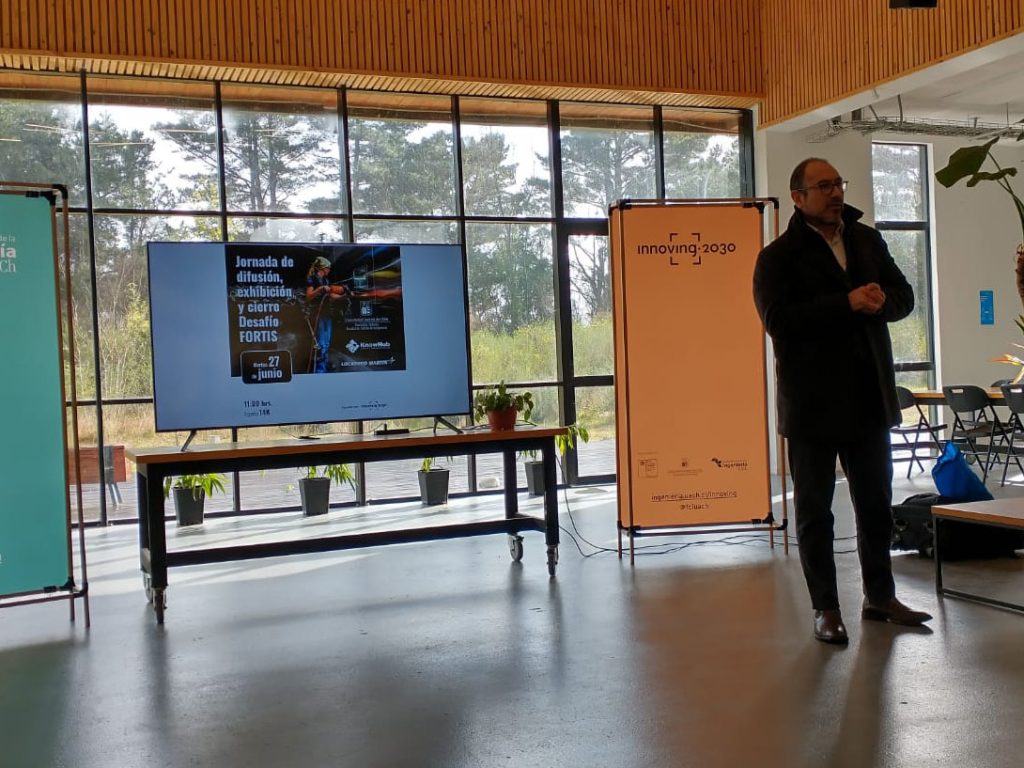
The Fortis Challenge is an open innovation program developed by Lockheed Martin and Know Hub Chile(
) aimed at Chilean universities participating in the Nueva Ingeniería 2030 program. The initiative seeks to forge links between the national R&D&I ecosystem and a leading international player in the aerospace industry, enhancing capabilities and expanding the functionalities of the FORTIS exoskeleton.

Participating teams have access to the FORTIS exoskeleton for research and testing, receivefunding of up to $20,000, have the opportunity to validate and transfer their technology to Lockheed Martin, and can establish long-term partnerships in R&D activities.
TECHNOLOGY

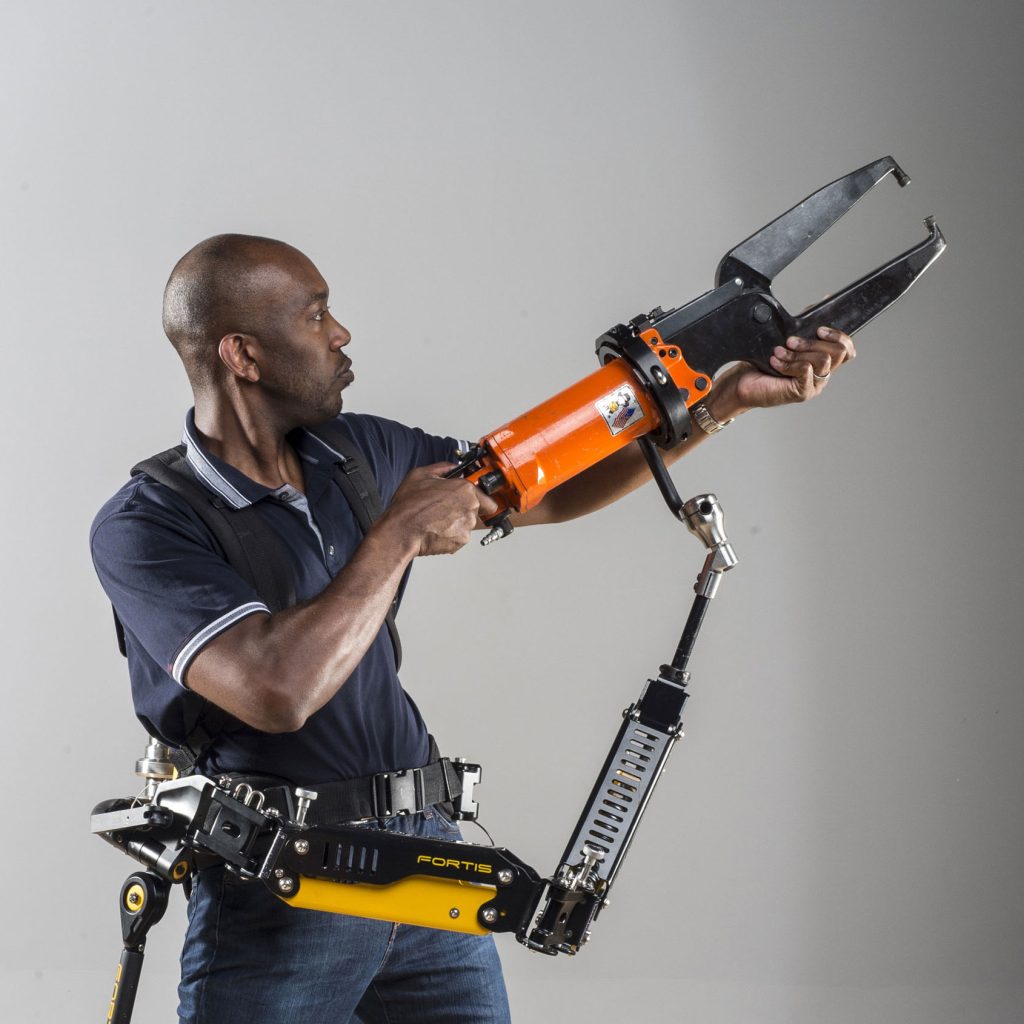
The FORTIS exoskeleton

Motorless industrial exoskeleton

A lightweight, motorless device designed by Lockheed Martin that enhances human capabilities in industrial settings.

Reduces fatigue and improves safety

Makes tools weighing up to 16 kg feel weightless. Reduces muscle fatigue and improves worker safety. Increases productivity by 2 to 27 times.

No batteries or cables

It requires no actuators, batteries, or external connections. It transfers weight directly to the floor through an advanced ergonomic design.

Industrial applications

It stems from research into military exoskeletons for soldiers and applies the same principles to heavy-duty industrial settings.

FIRST EDITION

Fortis Challenge 2022

FOCUS: INDUSTRIAL AND HEALTHCARE APPLICATIONS

Call for proposals directed at engineering departments at Chilean universities participating in the Ingeniería 2030 program to develop technical improvements, expand functionality, or discover new applications for the FORTIS exoskeleton.

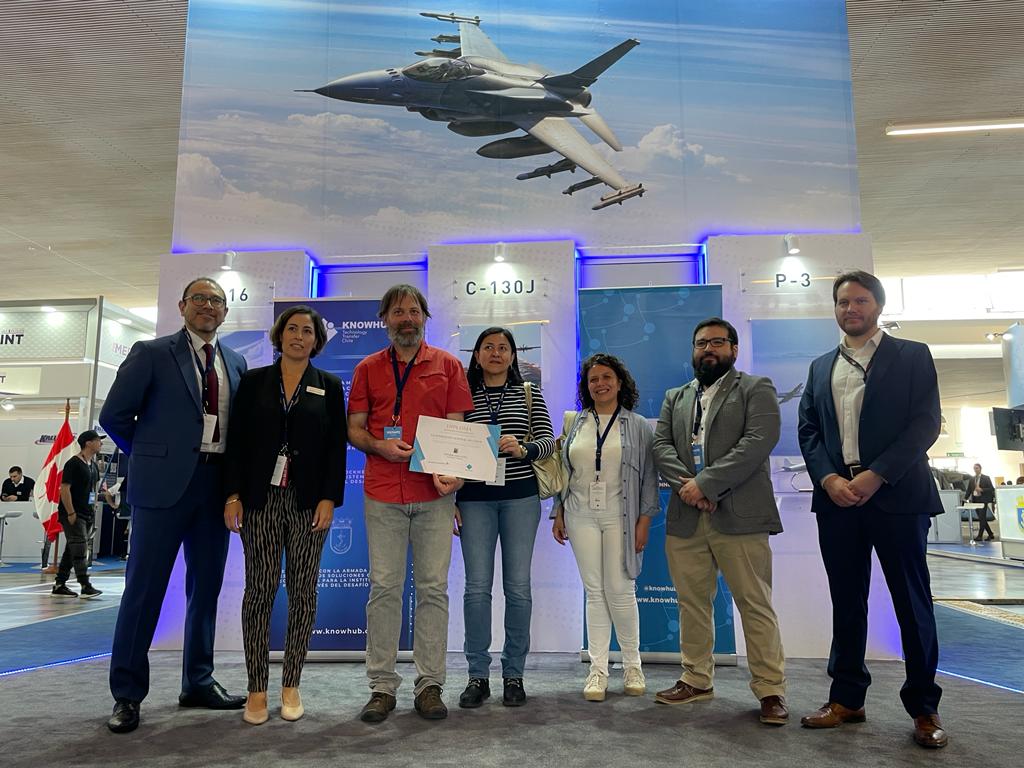
2022 WINNING TEAM

Austral University of Chile

LeüfuLab + School of Engineering + School of Medicine

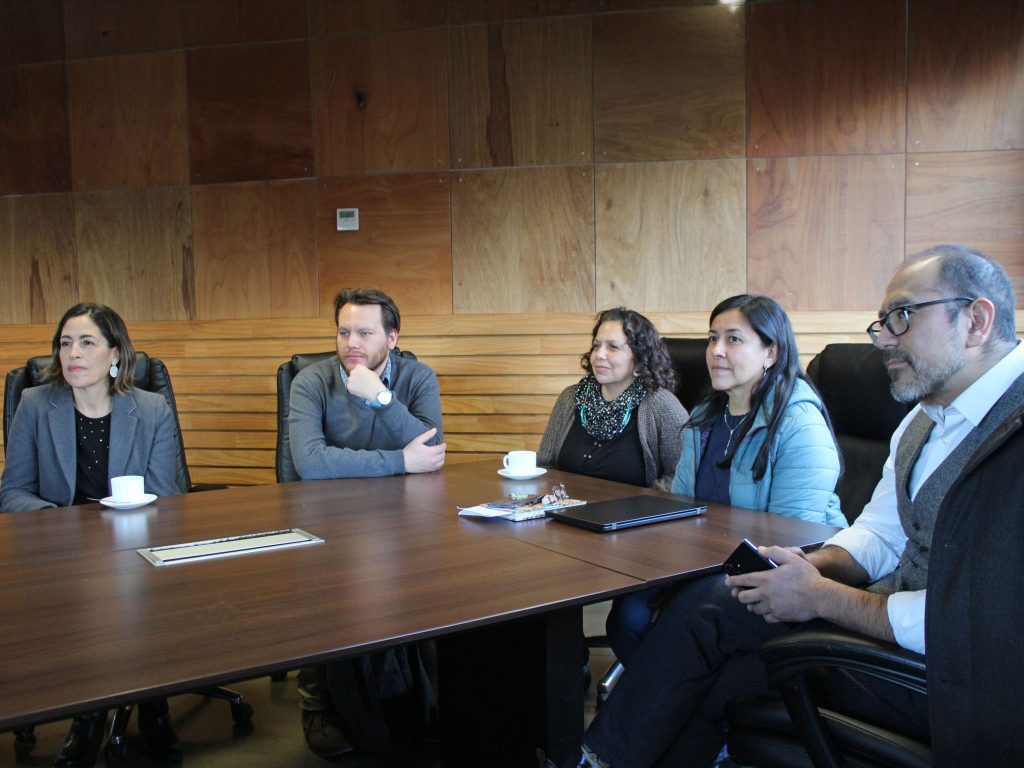
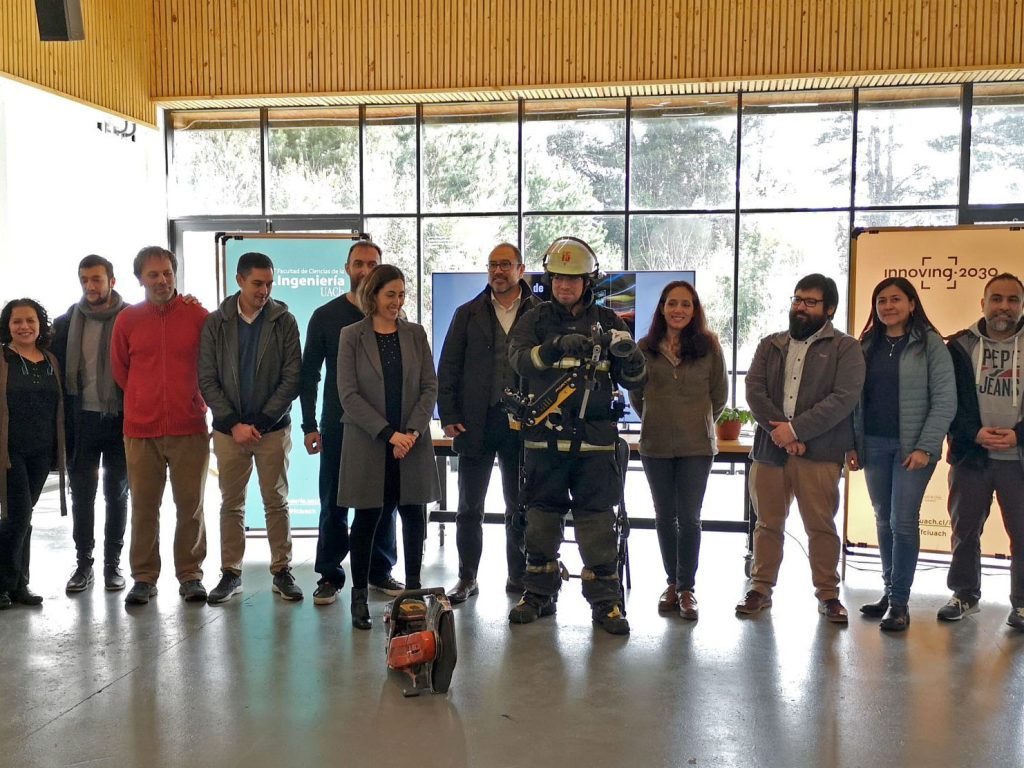
A multidisciplinary team analyzed the potential for occupational applications of FORTIS in the industrial and healthcare sectors across the Central-South, South, and Southern macrozones, in fields such as forestry, aquaculture, agro-industry, and shipbuilding.

Scope of the project

Analysis of work tasks involving repetitive physical activities with high exertion in the forestry, aquaculture, agro-industrial, and shipbuilding sectors. Validation of ergonomic and productivity improvements to facilitate integration into the workforce.

Methodology Used

Scientific research using standard methodology and yielding strategically relevant results. Diagnosis and evaluation based on ergonomic and productivity indicators that demonstrate improvements resulting from the use of the exoskeleton.

Key findings

Potential for freight transport and emergency response operations. Proposed modifications to improve mobility and the handling of heavy loads, adapting the original design to local conditions.

Institutional impact

Consolidation of a multidisciplinary team spanning engineering, medicine, and physical therapy. Demonstration of the human resources and infrastructure required for the evaluation of world-class medical devices.

PARTNER ORGANIZATIONS